
Astrology in Therapy: How Counselors Are Using the Stars to Support Healing
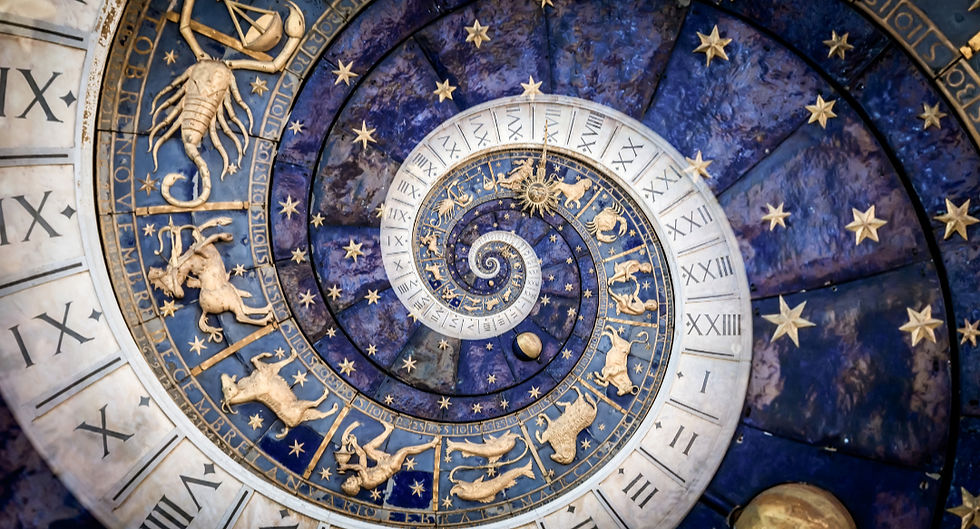
Astrology isn’t just for horoscopes anymore.
Once relegated to the back pages of magazines or dismissed as pseudoscience, astrology is increasingly finding its way into therapy rooms, coaching sessions, and healing circles. From seasoned Jungian psychotherapists to holistic life coaches, many practitioners are recognizing astrology as a powerful symbolic tool that can support self-awareness, emotional processing, and meaningful change.
So what does astrology actually look like in a therapeutic context? And why are so many people finding value in it now?
The Rise of Symbolic Healing
In recent years, there has been a cultural shift toward holistic and integrative wellness. People aren’t just looking to talk about their problems—they want frameworks that make sense of their inner world, tools that honor intuition, and methods that bridge the emotional with the spiritual. Astrology, with its rich language of archetypes, cycles, and cosmic timing, offers exactly that.
Unlike diagnostic models that label and pathologize, astrology meets people with curiosity. It invites questions like: “What am I here to learn?” “What patterns am I repeating?” and “How can I grow through this experience?”
For many therapists and coaches, astrology becomes a gentle mirror that reflects a client’s struggles in a way that feels less clinical and more mythic—a sacred storytelling lens for the soul.
Astrology in Therapy as a Conversation Starter
Therapists trained in depth psychology or Jungian traditions often use a client’s natal chart (a map of the sky at their time of birth) to spark dialogue. The chart isn’t seen as deterministic, but as a symbolic guide to the client’s psyche.
For example:
• A strong Saturn placement might lead to a discussion about boundaries, responsibility, or a fear of failure.
• A client going through a Pluto transit might be processing a major transformation, grief, or identity shift.
• Chiron placements can illuminate long-standing wounds around worthiness, belonging, or voice.
Using these archetypes helps normalize difficult emotions. Instead of “I’m broken,” the narrative becomes, “I’m in a Saturn phase right now, and it’s asking me to grow through discomfort.”
Why Clients Resonate with Archetypes
Astrological archetypes are universal. They give names to experiences that often feel ineffable. And because they’re rooted in myth and symbolism, they can bypass the defensive ego and speak directly to the unconscious.
Clients often report that seeing themselves through this symbolic lens feels validating. It affirms that their struggles are not random or shameful, but part of a larger developmental cycle. A breakup during a Venus retrograde or a quarter-life crisis during a Saturn square can feel less like personal failure and more like a rite of passage.
This language of the stars becomes a shared vocabulary for the therapy process. It helps people feel seen.
Timing Tools and Therapeutic Pacing
One of astrology’s most unique contributions is its timing techniques. Transits, progressions, and cycles (like the Saturn return) offer context for why certain emotions or challenges are arising now.
Therapists might use these tools to:
• Validate why a client is feeling intense or scattered
• Help a client prepare for an upcoming shift
• Encourage integration rather than urgency (“This is a long Pluto process, not a quick fix”)
It provides rhythm to the healing journey. And for clients, knowing that there’s a cosmic “season” to their growth often brings comfort and patience.
Is It Really Therapy Though?
Critics may ask: Does this dilute the rigor of therapeutic practice?
Not necessarily. For licensed practitioners, astrology is a supplemental tool, not a replacement for evidence-based methods. It sits alongside modalities like Internal Family Systems, EMDR, or somatic work. Think of it like art therapy or dream analysis—another way into the inner world.
What matters most is the relationship: the trust, attunement, and ethical grounding of the therapist. Astrology simply gives more texture to the exploration.
The Future of Soul-Centered Therapy
As more people crave meaning and myth in their healing journeys, astrology is likely to keep growing as a therapeutic resource. And it makes sense: we are story-driven beings. We long to see our pain as purposeful, our patterns as meaningful, and our growth as part of something bigger.
Astrology reminds us that healing isn’t linear—it’s cyclical. That we are not alone in our struggles. That even our hardest seasons have celestial significance.
And sometimes, just knowing that can be enough to spark the shift.
Want more like this? Explore how your Saturn, Pluto, or Chiron placements might be shaping your healing journey. Check out our blog for deeper dives into astrology, archetypes, and emotional integration. Follow @psycheandshadow on Instagram to stay connected.



Comments